Brampton remains one of the fastest-growing cities in the Greater Toronto Area (GTA), drawing families, professionals, and investors. But in 2025, the housing market looks a little different.
Home prices have dropped by about 10% compared to last year, with the average sales price now sitting at around $909,448—down from over $1 million. Fewer homes are changing hands as well, which signals a shift toward a buyer’s market. In other words, there are more listings to choose from and less competition than in previous years.
For buyers, this creates an opportunity. You’ll likely have more room to negotiate on price and terms, making it easier to find a home that fits your needs and budget. That said, with more options on the table, doing your homework is key. The proper research and planning can help you secure the best deal in this adjusting market.
Why Choose Brampton? Lifestyle, Growth, and Community
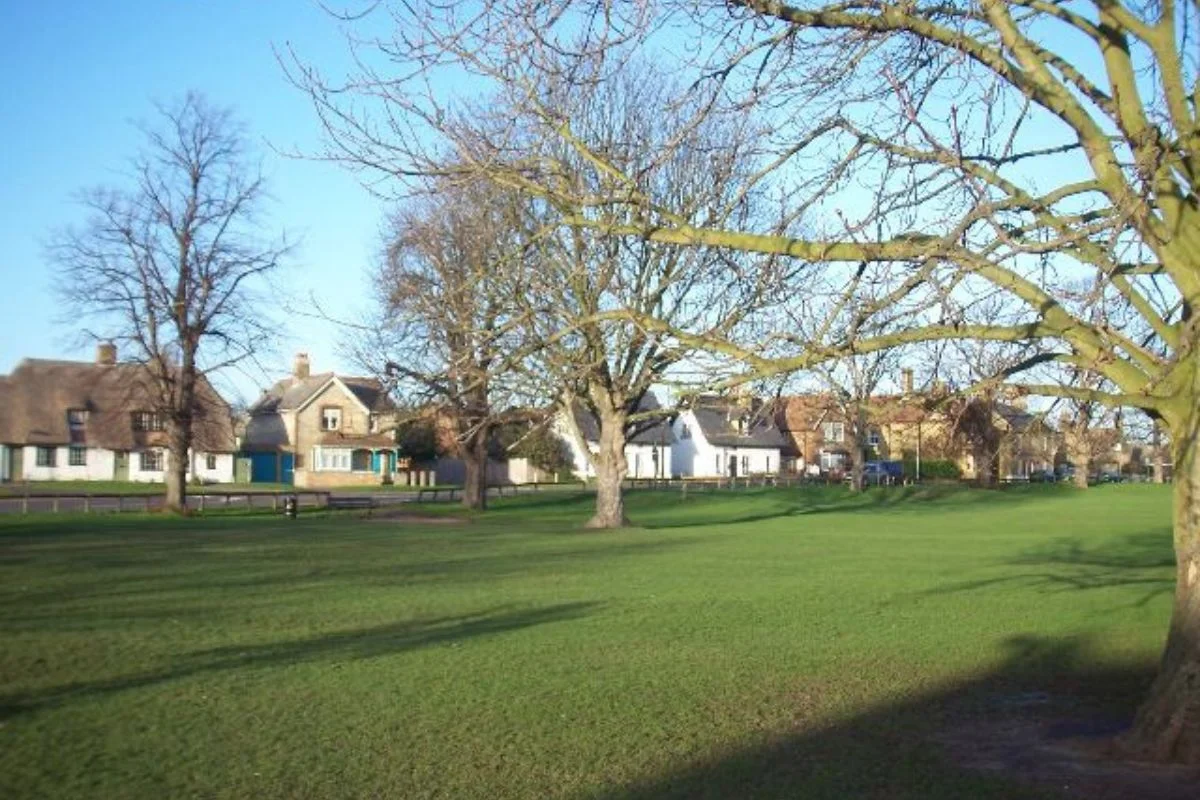
Image Credit: Tim Fryer, CC BY-SA 2.0/Wikimedia Commons
If you’re considering a move to Brampton, a big part of its charm is the abundance of green spaces and parks that locals love. Often called the “Flower City,” Brampton boasts beautiful spots like Chinguacousy Park—a community hub featuring sports fields, skating trails, mini-golf, and a petting zoo.
Families around Bramalea and northwest Brampton especially enjoy this gem. For nature enthusiasts, Heart Lake Conservation Area offers peaceful hiking trails, fishing spots, and picnic areas just minutes from neighborhoods like Springdale and Bovaird West.
Don’t miss the unique geological wonder of the Cheltenham Badlands, located just a short drive east from downtown Brampton in Caledon, which is perfect for day trips or weekend adventures. These outdoor assets contribute significantly to the high quality of life in Brampton’s many neighborhoods.
A Tapestry of Culture and Cuisine in Brampton

Image Credit: OpenTable Moxies – Brampton
Brampton is a cultural mosaic. More than 50% of Brampton’s population is immigrant, so the city is full of global flavours and celebrations.
If you love multicultural food, Brampton is a foodie’s dream. Go for authentic South Asian at Oceans Fresh Food Market on Queen Street East, Caribbean at Caribbean Delight Foods in Sandalwood, or Italian near Main Street North in downtown Brampton. Foodies also head to Bramalea City Center, where you’ll find several international restaurants and popular chains.
Every summer, Carabram Festival at Chinguacousy Park brings the city to life with cultural performances, food vendors, and crafts from over 50 countries. This culinary and cultural fabric makes Brampton a global city in the heart of the GTA.
Shopping and Local Charm: From Bramalea City Centre to Downtown Boutiques
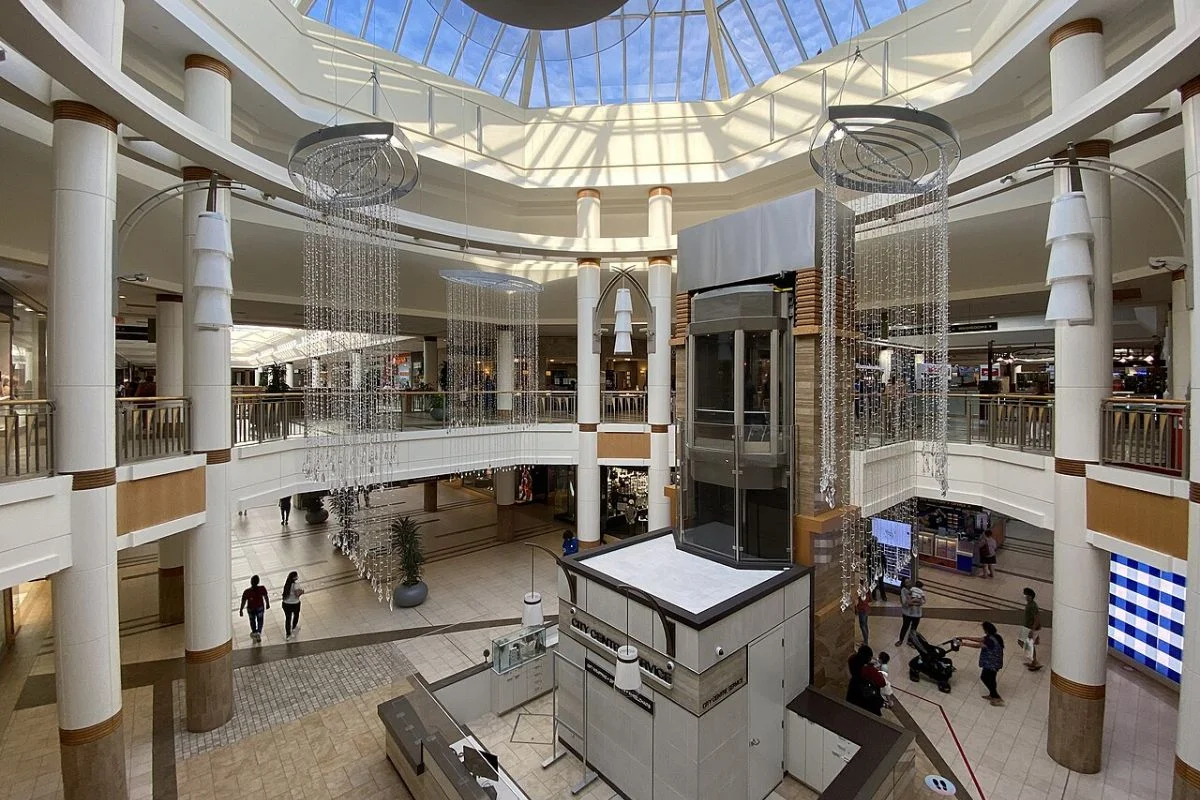
Image Credit: Canmenwalker – CC BY 4.0/Wikimedia Commons
Shopping in Brampton offers a mix of big-box convenience and unique local experiences. The Bramalea City Centre is one of the largest malls in the GTA, with over 300 stores covering fashion, electronics, and dining, attracting shoppers from all over Peel Region.
But if you prefer something smaller and more personal, downtown Brampton along Main Street North and Queen Street is full of charming boutiques, antique shops, and cozy cafés. Neighborhood shopping plazas in areas like Mount Pleasant and Springdale provide great spots for everyday essentials with a community feel. Between these options, Brampton gives residents easy access to everything they need without losing local character.
Brampton’s Thriving Economy and Growth: A Hotbed of Opportunity in 2025
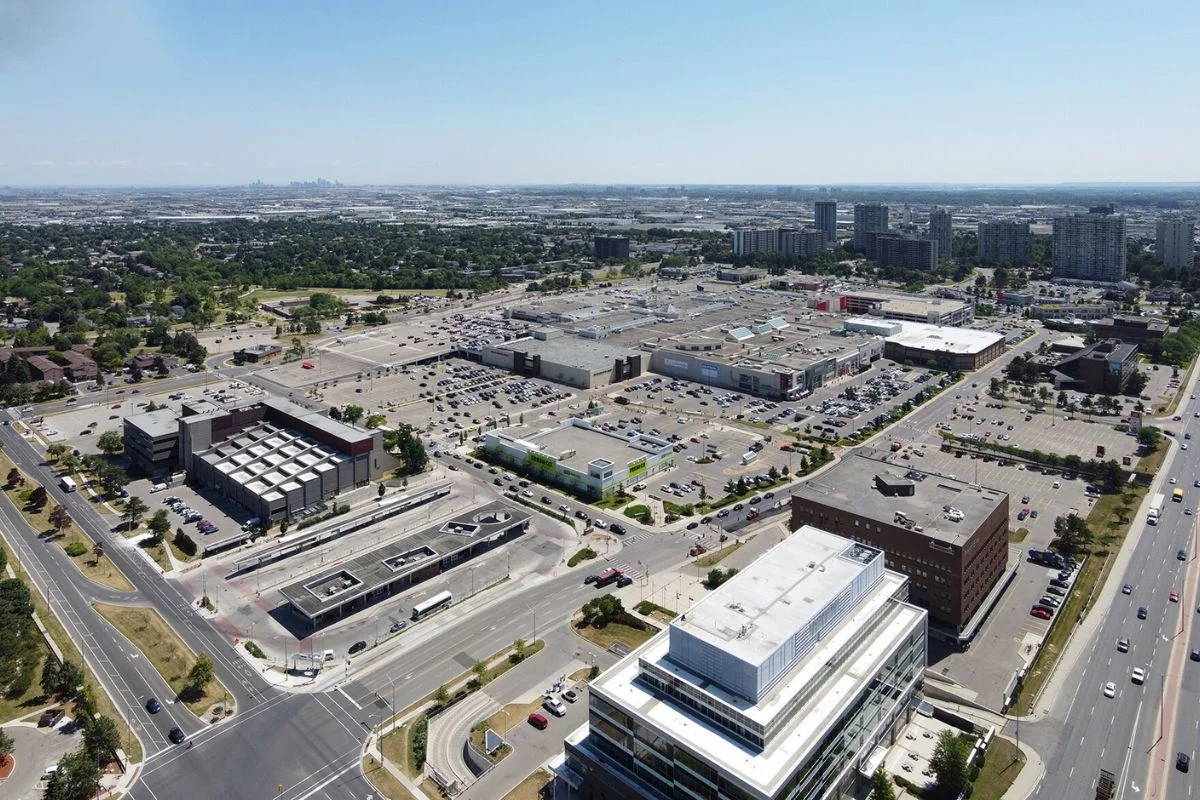
Image Credit: Canmenwalker – CC BY 4.0/Wikimedia Commons
In 2024, Brampton was the 7th largest city in Canada, the 3rd largest in Ontario, and the 2nd largest in the Greater Toronto Area (GTA). According to Statistics Canada, Brampton’s population was 791,486 in 2024 – an increase of 17% or 135,006 people since the 2021 Census.
In 2021, Brampton had the highest growth rate among Canada’s 25 largest cities. It had the 4th largest population increase of 62,842 people among major Canadian cities. That’s reflected in housing, too. There were 189,086 private dwellings in 2021 – a 9.03% increase from 2016, with 15,658 new dwellings.
All these numbers add up to a city that’s growing fast – and that means opportunities in housing, jobs, and community. So you’re thinking of moving here or investing? Well, you’re joining a city that’s growing and changing in really cool ways.
Big Economic Investments Shaping Brampton’s Future
Image Credit: Wikimedia Commons
Brampton is seeing big projects backed by billions of dollars in investment and solidifying its position as a major economic centre in Ontario. One of the big ones is Stellantis’ $2.8 billion investment, which includes $810 million in government support. This means both the Windsor and Brampton assembly plants will continue to operate, and the EV-focused Automotive Research and Development Centre in Windsor will expand.
The investment also includes retooling the 36-year-old Brampton Assembly Plant, which currently produces the Chrysler 300 and Dodge Charger, to support flexible new electric vehicle architectures starting in 2025. This is a big deal as Stellantis moves towards a zero-emission future for the automotive industry in Ontario.
Other major employers, such as MDA Space and Lululemon, are also investing significantly in Brampton, including a $1 billion contract for MDA with the Canadian Space Agency and the construction of North America’s largest Lululemon distribution centre. Brampton is also experiencing significant growth in healthcare infrastructure, including the new medical school affiliated with Toronto Metropolitan University (TMU) and new facilities such as the Peel Memorial Centre for Integrated Health and Wellness.
Infrastructure Investments Boosting Growth and Mobility
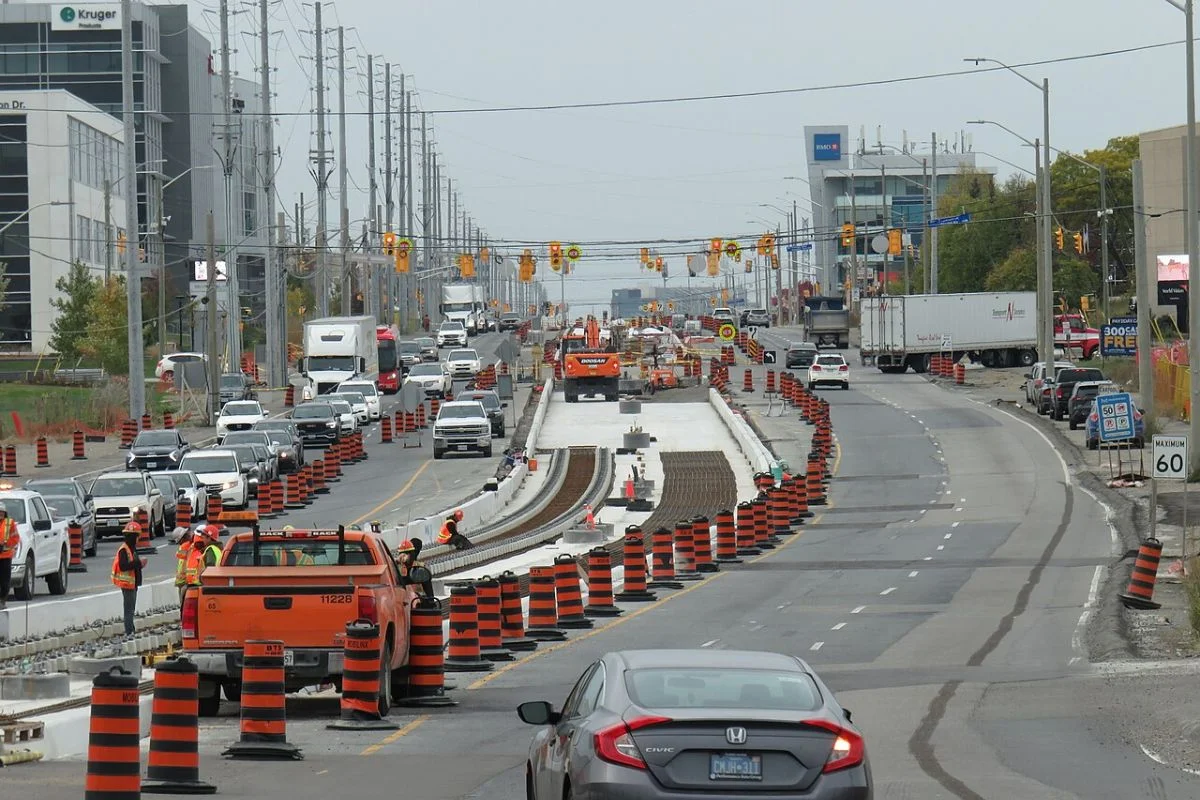
Image Credit: Transportfan70 – CC0/Wikimedia Commons
Brampton is investing big in infrastructure to support this growth, including a $2.8 billion LRT Phase Two project, which will connect neighbourhoods and create thousands of homes and jobs. The city is also moving forward with the Riverwalk flood mitigation project downtown, which will open up new development opportunities.
Transportation is a focus with expanded Brampton Transit hours and plans to improve connectivity to the 410 and 407 highways for commuters and residents.
Economic Incentives to Grow Your Business
We support business growth with development charge waivers for projects over 20,000 sq ft of employment space. This policy encourages industrial and office expansion, and we have a near-zero vacancy rate in commercial real estate – a rare feat compared to Toronto and surrounding areas.
A Growing Community with Endless Potential
From large industrial parks like Heritage Heights to innovation hubs near the Brampton Civic Centre, new opportunities abound for employment and residential development. This dynamic economic landscape not only attracts investors but also stimulates the housing market, making Brampton a compelling place to live, work, and grow in 2025 and beyond.
If these perks interest you, browse our featured properties for options within Brampton and the surrounding areas.
What Does It Cost to Buy a Home in Brampton?
Image Credit: Peter K Burian – CC BY-SA 4.0/Wikimedia Commons
Detached Homes
Detached homes in Brampton are the most sought-after property type, with an average price around $1,060,000 as of 2025. These homes appeal to buyers looking for space, privacy, and the flexibility to customize their properties.
While prices have remained generally steady, select high-demand luxury neighborhoods such as Sherwood Forest and Castlemore see slightly higher prices due to their exclusive estates and larger lots. The constant demand for detached homes reflects Brampton’s popularity among families wanting room to grow, in proximity to great schools and parks like Chinguacousy Park and Professor’s Lake.
Semi-Detached Homes
Semi-detached homes offer a middle ground for buyers seeking more affordability than detached homes but wanting more space and privacy than townhomes or condos can provide. In Brampton, average prices for semi-detached homes hover around $930,000.
Price increases in this category have been modest, indicating consistent but balanced buyer interest. Neighborhoods such as Springdale and Bovaird West feature these homes prominently, attracting young families and professionals looking for modern living spaces with convenient access to transit options like Brampton Transit and nearby highways.
Townhouses and Condos
If you are a first-time homebuyer, downsizing, or looking to invest, townhouses and condominiums in Brampton present some of the most affordable options on the market. Average condo prices are around $630,000, making them popular among singles, couples, and small families.
Townhouses tend to be priced slightly higher, often ranging from $650,000 to $800,000 depending on location and size. Key areas for these housing types include Mount Pleasant and Downtown Brampton, where proximity to transit, amenities, and shopping centers like Bramalea City Centre adds substantial value.
Affordable Homes and Investment Opportunities Under $500,000
Brampton also offers budget-friendly alternatives, including homes priced under $500,000. These typically include smaller condos or townhomes, as well as fixer-uppers that present good potential for buyers interested in renovation projects.
Exploring emerging or less well-known neighborhoods can yield great value for flexible homebuyers or investors. Areas on the city’s outskirts or near new development zones might offer these entry points into Brampton’s real estate market.
With rising demand and ongoing infrastructure projects, these properties can be smart long-term investments as the city continues to grow.
Steps to Buying a Home in Brampton
Image Credit: By Brian Peiris – CC BY-SA 3.0/Wikimedia Commons
Navigating Brampton’s real estate market is easier with a clear plan:
Determine Your Budget
Start by assessing your total financial capacity beyond the home’s asking price, factor in property taxes, maintenance costs, home insurance, and legal fees. Brampton buyers should also budget for municipal and Ontario land transfer taxes.
Getting pre-approved for a mortgage is essential as it not only sets your financial limits but also strengthens your offer in a highly competitive market. Recent trends show Brampton home prices averaging around $900,000 to over $1.8 million, depending on the neighborhood and property type, so precise budgeting is crucial.
Work with a Local Real Estate Agent
A local agent who knows Brampton neighborhoods can help you with everything from finding the right properties to negotiating prices. They know the market, assist with paperwork, and provide strategic advice on bidding, particularly in light of the recent surge in homes and multiple offers in popular areas like Bramalea and Mount Pleasant.
Explore Neighborhoods
Walk or drive through Brampton’s neighborhoods to see which one fits your lifestyle. Consider proximity to schools (public, Catholic, private), parks, transit, shopping, and community amenities.
For families, researching school ratings and special programs is key to making sure educational needs are met. Young professionals, in particular, like the Bovaird Corridor for its modern homes and accessibility.
Evaluate Listings & Attend Open Houses
Online listings are a good starting point, but attending open houses is where the rubber meets the road. Seeing properties in person helps you assess condition, layout, and neighbourhood vibe. Brampton’s market is moving fast, so being active in attending showings and open houses will help you make timely decisions.
Make an Offer
Once you find your home, be ready to make an offer, often with conditions such as home inspections or financing approval. Some sellers prefer clean offers with no conditions, especially in competitive segments, but others may be open to negotiating. Understanding the current buyer market in Brampton, where inventory is increasing, will help you develop a more effective offer strategy.
Home Inspection & Appraisal
Once your offer is accepted, it is highly recommended to have a home inspection to identify any potential issues, such as structural problems or outdated systems. The lender will require an appraisal to confirm that the purchase price is in line with the market value. If the appraisal comes in below the offer, buyers may need to renegotiate or bring in more money.
Closing
The last step is to finalize your mortgage, sign the documents, and close the deal. Make sure you understand all the paperwork and legal obligations. Budget for closing costs, which in Brampton are around 3-4% of the purchase price for legal fees, land transfer taxes, and other fees. Once closed, you can move into your new Brampton home and start your new chapter.
Need help? Schedule a FREE Evaluation today!
Local Market Trends & What to Expect in 2025
Image Credit: Sikander Iqbal, CC BY-SA 4.0/Wikimedia Commons
The Brampton market will be steady with some price adjustments. Experts predict 2-3% price growth next year due to limited supply and ongoing demand from population growth.
There’s a surplus of homes, so buyers have the upper hand, but economic uncertainty and cautious lending mean many buyers are waiting for financial stability. That gives well-prepared buyers more negotiating power.
Conditional sales are becoming more common due to discrepancies between appraised value and purchase price, which often require price renegotiation or additional funds to close the deal.
Investment Opportunities in Brampton Real Estate
Investors should keep an eye on emerging areas like Mount Pleasant, which has new transit and urban development. Sandalwood Parkway neighbourhoods also have blended residential-commercial opportunities with growing rental demand.
Because Brampton has a strong rental market and growing job sectors—from healthcare to tech—there’s ongoing demand for rental properties, providing attractive returns for landlords.
Schools & Amenities Matter
Brampton is family-friendly with many good schools—public, Catholic, private, and special programs like French Immersion and International Baccalaureate. That’s why neighborhoods like Brampton East and Springdale are so popular with families.
In addition to schools, Brampton has plenty of parks, trails, shopping centers, and healthcare facilities. That’s a good balance of life.
Transportation & Connectivity
Improved transit is a big selling point for Brampton. The upcoming Hurontario LRT and Highway 413 will make it easier to get to downtown Toronto and other cities and will increase property values in connected neighborhoods.
Proximity to highways 410, 407, and 427 also supports families and professionals commuting daily, particularly important for suburbs like Brampton East and Mount Pleasant.
Final Tips for Buyers in Brampton
- Get pre-approved early to strengthen offers and understand your budget.
- Be patient and research thoroughly—with more homes on the market, you have the upper hand.
- Consider future growth areas linked to transit and infrastructure investments.
- Leverage a local real estate expert for negotiating power and market insights.
- Prepare for additional costs like land transfer tax, municipal fees, and home insurance.
Why Local Knowledge Matters
Brampton is made up of many different neighbourhoods, each with its own character or vibe, amenities, and market trends. From the family-friendly streets of Bovaird West to the urban feel of Downtown Brampton, the housing options and prices can vary greatly.
An expert local agent knows these differences and can help you focus your home search on areas that fit your lifestyle and budget. This insider knowledge helps you avoid common mistakes like overpaying or buying in a neighbourhood that doesn’t fit your long-term goals.
Keeping Up With Municipal Plans and Market Trends
Brampton’s real estate market is ever-evolving, influenced by municipal developments like the proposed expansions of the Hurontario Light Rail Transit (LRT) and infrastructure spending announced in the 2025 city budget. These projects can have a direct influence on property values and desirability.
Local real estate professionals stay current on these changes so they can advise you when to buy or hold, which neighborhoods might see appreciation, and how zoning changes could affect future development. This proactive approach ensures you make more informed decisions rather than guessing.
How Local Experts Help You Secure the Best Property at the Right Price
A seasoned Brampton agent has firsthand knowledge of current market conditions—from inventory levels to typical seller flexibility in negotiations. They understand buyers’ buying power in neighborhoods like Springdale versus Mount Pleasant and can advise on offer strategies that get results without overpaying.
Agents can also alert you to properties before they hit the market, increasing your chances of landing a home in a competitive environment. They handle complex paperwork, inspections, and financing coordination, reducing stress and improving your overall buying experience.
Visit our website to see how we can help you achieve your real estate goals successfully and hassle-free!
Make Brampton Your Home
Real estate in Brampton is your chance to be part of a thriving city with a community feel and great amenities. Whether you want luxury estates in Sherwood Forest or condos by Mount Pleasant, Brampton has something for everyone and every budget.
By understanding the market, checking out the top neighbourhoods, and following the steps to buy, you can navigate the Brampton real estate market with confidence and find a home where memories are made and futures are built.
Ready to move? Get in touch today and start your Brampton home search!