Waterloo is the kind of city that rewards curiosity. You can spend the morning walking around Uptown Waterloo, the afternoon exploring a university campus or science centre, and the evening settling into a restaurant, café, or live music venue. For homebuyers, the appeal goes beyond things to do, because Waterloo combines established neighbourhoods, respected institutions, transit connections, and a technology-driven economy within a manageable urban setting.
Located in Waterloo Region, Waterloo sits north of Kitchener and roughly 100 kilometres west of Toronto. The city is known for its universities, research institutions, growing technology sector, parks, festivals, and distinctive local businesses. It also offers a practical alternative for people who want more space and community character than a major metropolitan centre, without giving up access to urban amenities.
If you are researching Waterloo real estate, Discover Waterloo through its neighbourhoods, institutions, and everyday amenities before deciding where to buy.
Overview

Image Credit: Giligone – CC BY-SA 3.0/Wikimedia Commons
Waterloo is part of the Kitchener-Waterloo urban area and forms one of the main communities within Waterloo Region. Its identity comes from a mix of academic research, entrepreneurship, heritage, recreation, and neighbourhood life. Uptown Waterloo acts as the city’s central gathering place, with restaurants, independent shops, services, public spaces, and cultural programming.
The city is also home to the University of Waterloo, Wilfrid Laurier University, and Perimeter Institute for Theoretical Physics. These institutions influence the local economy, attract students and researchers, and contribute to Waterloo’s reputation as a place where new ideas become businesses, research projects, and community initiatives.
For visitors, Waterloo offers a balance of structured attractions and spontaneous discoveries. For residents, the city’s appeal often comes from everyday convenience, including parks, schools, transit, shopping, and access to nearby Kitchener, Cambridge, and surrounding townships.
History
Waterloo’s history began long before the city’s modern technology reputation. Waterloo’s history is connected to the Haldimand Tract, land granted to the Six Nations of the Grand River. The region also has a broader Indigenous history involving Anishnaabe and Chonnonton peoples, whose enduring presence and traditional knowledge remain part of the region’s history. Understanding Waterloo means recognizing this earlier history alongside the later development of settler communities.
The city’s early settlement history is closely associated with Abraham Erb, a Mennonite farmer who settled in the area in 1806. Erb established mills that helped attract residents and businesses, while King Street developed as an important transportation route. The railway later reached Waterloo in 1856, supporting further commercial and residential growth.
Waterloo’s name and identity continued evolving as the community grew from a small settlement into a town and eventually a city. Its historic buildings, commercial core, and preserved landscapes still provide clues about that transformation. The city’s heritage is not separate from its modern identity, because many of its most recognizable neighbourhoods developed around older roads, institutions, and commercial routes.
What Is Waterloo Most Famous For?
Waterloo is famous for more than one thing. Its universities and technology sector receive much of the attention, but the city also offers historic landmarks, public parks, cultural venues, and community attractions that make it worth exploring.
Here are seven places that help explain Waterloo’s character.
1. Waterloo Park

Image Credit: Canmenwalker – CC BY 4.0,/Wikimedia Commons
Waterloo Park is one of the city’s best-known outdoor destinations and a central part of local life. The approximately 45-hectare park includes trails, gardens, public art, a boardwalk around Silver Lake, playgrounds, and recreational spaces. Visitors can walk, picnic, enjoy the gardens, or bring children to the accessible Eby Farm Playground.
The park also connects with regional trails, including the Iron Horse Trail, Trans Canada Trail, and Laurel Trail. Its historic features include the Abraham Erb Grist Mill and Waterloo’s first schoolhouse. For residents, Waterloo Park is the kind of place that makes an urban neighbourhood feel more connected to nature.
2. Perimeter Institute for Theoretical Physics

Image Credit: EECosmoPhys – CC0,/Wikimedia Commons
Perimeter Institute is one of Waterloo’s most distinctive landmarks. The research institute focuses on fundamental theoretical physics and occupies a prominent location beside Waterloo Park and Silver Lake. Its facilities include research spaces, lecture areas, and public outreach programming.
Visitors can explore public science programming and learn about subjects such as black holes, quantum theory, and the structure of the universe. The institute’s presence also reflects Waterloo’s wider culture of research and innovation. For prospective residents, it is a reminder that the city’s technology reputation extends beyond software and startups.
3. University of Waterloo

Image Credit: Tleydxdy – CC BY-SA 4.0/Wikimedia Commons
The University of Waterloo is one of Canada’s most recognized institutions for technology, engineering, mathematics, and co-operative education. Its campus contributes to the city’s youthful energy, research activity, and international population. Visitors can explore the campus, attend public events, or experience the surrounding neighbourhoods and businesses.
The university is one factor that can influence housing demand around student-oriented rentals, apartments, and nearby neighbourhoods. Its proximity to Perimeter Institute and Wilfrid Laurier University creates a concentrated academic district. For families and professionals, the university is also part of the broader employment and education ecosystem that supports Waterloo’s long-term appeal.
4. Wilfrid Laurier University

Image Credit: Permute – CC BY-SA 3.0,/Wikimedia Commons
Wilfrid Laurier University adds another important dimension to Waterloo’s academic identity. The university is known for programs in business, music, arts, social sciences, and other disciplines. Its Waterloo campus contributes to the city’s cultural programming, student life, and local events.
Visitors can explore the campus area, attend performances or public lectures, and enjoy nearby cafés and restaurants. The surrounding streets offer a mix of student housing, established homes, rental properties, and commercial services. For buyers, the university’s presence can matter when assessing rental demand and neighbourhood activity.
5. Canadian Clay & Glass Gallery
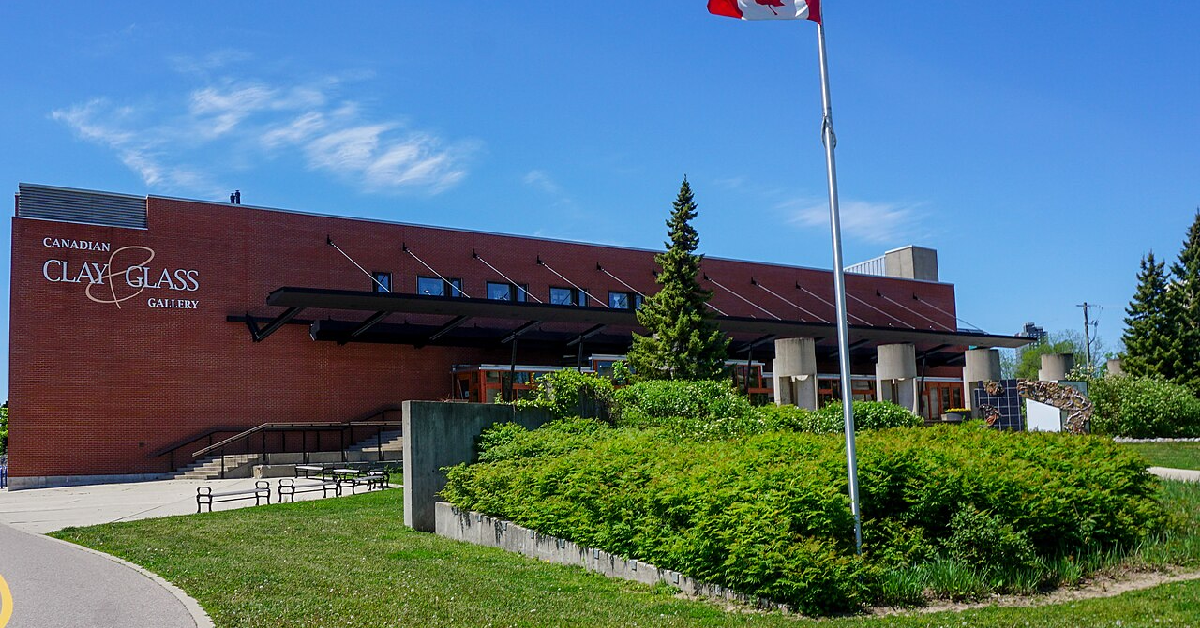
Image Credit: Por JFVol – CC BY-SA 3.0/Wikimedia Commons
The Canadian Clay & Glass Gallery is a cultural destination dedicated to contemporary ceramic, glass, and enamel art. Its exhibitions introduce visitors to artists working with materials that combine craftsmanship, design, and experimentation. The gallery provides a quieter cultural experience than Waterloo’s larger festivals and outdoor events.
Visitors can explore exhibitions, learn about Canadian and international artists, and discover how traditional materials can support modern artistic expression. Its location near Waterloo Park makes it easy to combine a gallery visit with a walk or picnic. The gallery also adds to Waterloo’s reputation as a city with a serious arts scene.
6. Waterloo Public Square

Municipal Affairs and Housing: Por JFVol – CC BY 2.0/Wikimedia Commons
Waterloo Public Square is a central gathering space in Uptown Waterloo. It hosts community events, seasonal programming, festivals, and activities that bring residents into the downtown core. The square helps connect local businesses with public life, making it a useful starting point for exploring the area.
Visitors can check the city’s event calendar, attend outdoor programming, or use the square as a meeting point before exploring nearby restaurants and shops. The space is especially active during festival periods. For residents, it provides a convenient place to experience community life without travelling far from home.
7. City of Waterloo Museum

Municipal Affairs and Housing: Por JFVol – CC BY 2.0/Wikimedia Commons
The City of Waterloo Museum offers a direct connection to the city’s past. Its exhibits explore local history, community development, and the people and institutions that shaped Waterloo. Admission is free, making it an accessible stop for residents, families, and visitors.
The museum’s programming can include temporary exhibitions, educational events, and virtual resources. Visitors can learn how Waterloo developed from an early settlement into a modern city. It is a useful place to start for anyone who wants to understand the community beyond its technology and university reputation.
Real Estate

Permute: CC BY-SA 3.0,/Wikimedia Commons
Waterloo real estate includes a broad mix of housing types, from older detached homes and established residential streets to condominiums, townhomes, student rentals, and newer developments. Waterloo’s housing market serves a mix of households, including families, students, university employees, investors, and professionals working across the region. Buyers should assess each neighbourhood based on housing type, lot size, transit access, and proximity to schools or employment centres.
For current market conditions, buyers and sellers should review recent sales, active listings, days on market, and local inventory. A citywide statistic can provide context, but it does not replace a neighbourhood-level analysis. Waterloo’s market can vary significantly by property type, location, condition, and price range.
When comparing homes for sale in Waterloo, pay attention to the details that affect everyday life. These include parking, basement finish, lot orientation, maintenance needs, condo fees, school proximity, and the distance to transit or major roads. A home that looks attractive online may feel very different after reviewing the surrounding streets and nearby amenities.
What Buyers Should Consider
- Neighbourhood fit: Compare established residential areas, student-oriented streets, and newer communities.
- Housing type: Review detached homes, townhomes, condos, and rental-oriented properties separately.
- Transit access: Consider proximity to ION stations, bus routes, and major roads.
- Schools and services: Check the distance to schools, parks, grocery stores, and recreation facilities.
- Future plans: Review nearby development proposals and municipal planning information.
- Resale considerations: Think about the property’s appeal to future buyers, not only your immediate needs.
For sellers, presentation and pricing remain important. Buyers often compare several similar homes, so accurate pricing, good photography, clear listing details, and a Guaranteed Home Selling System can influence the result. A local agent can also help explain how current buyer demand differs between neighbourhoods and property types.
Transportation and Connectivity
Waterloo is connected to Kitchener, Cambridge, and the wider region through roads, public transit, and regional transportation services. Waterloo connects to the Greater Toronto Area through regional roads and GO Transit services, while Grand River Transit and ION light rail support travel across the Kitchener-Waterloo corridor.
Grand River Transit serves Waterloo and the surrounding region, while the ION light rail system connects major destinations across the Kitchener-Waterloo corridor. Transit access is especially useful around Uptown Waterloo, the universities, and other major employment and service areas. Residents should still assess the exact route, travel time, and service frequency before choosing a home based on transit convenience.
Cycling and walking are also part of Waterloo’s transportation network. The city has trails and pathways that connect parks, neighbourhoods, and nearby destinations. For buyers, a home’s proximity to a practical walking or cycling route can affect everyday convenience and the overall feel of the neighbourhood.
Community and Events
Waterloo has an active community calendar, with festivals, public programs, arts events, and seasonal activities throughout the year. The Uptown Waterloo Jazz Festival, Lumen, and the Waterloo Busker Carnival are among the events that bring people into the city centre. These gatherings support local businesses while giving residents opportunities to connect outside their usual routines.
The city also offers community recreation programs, public spaces, libraries, museums, and neighbourhood activities. Waterloo’s appeal is not limited to major annual events, because smaller workshops, markets, performances, and public programs contribute to its sense of community. For families, these options can make a meaningful difference in how they experience the city after moving.
Dining and Entertainment Scene
Uptown Waterloo is the centre of the city’s dining and entertainment scene. The area includes cafés, restaurants, pubs, patios, cinemas, galleries, and independent businesses. Visitors can enjoy a casual coffee, meet friends for dinner, or spend an evening exploring local venues without needing to travel into Toronto.
Waterloo’s food scene also reflects its diverse population and university influence. Menus range from casual comfort food to international cuisine and more specialized dining experiences. For residents, the attraction is often the convenience of having a lively commercial district close to home.
The city’s entertainment options extend beyond Uptown Waterloo. Nearby Kitchener offers additional theatres, music venues, galleries, and cultural institutions, creating a wider regional entertainment network. Buyers who value dining and nightlife should compare the walkability and transit access of different neighbourhoods before choosing a property.
Shopping and Local Amenities
Waterloo offers a practical mix of independent shops, major retailers, grocery stores, cafés, professional services, and everyday amenities. Uptown Waterloo is especially known for its locally owned businesses and pedestrian-friendly commercial streets. Conestoga Mall provides another major shopping destination, with retail stores, services, and the City of Waterloo Museum nearby.
For families, convenience often comes from the combination of grocery shopping, pharmacies, schools, recreation centres, and parks within a reasonable distance. Buyers should consider how much driving their preferred neighbourhood requires for regular errands. A home that is close to shopping and services can make daily routines easier, particularly during busy work or school weeks.
Waterloo also has several recreation facilities, including the Waterloo Memorial Recreation Complex, RIM Park, and other community centres. These facilities support sports, fitness, swimming, and community programming. Their locations can be useful considerations for families and buyers who want access to year-round activities.
Job Opportunities
Waterloo is widely recognized for its technology, research, education, and entrepreneurship sectors. These industries contribute to the region’s employment base, alongside healthcare, manufacturing, professional services, retail, and hospitality.
Job opportunities extend beyond technology. Education, healthcare, professional services, retail, hospitality, manufacturing, and public-sector employment also contribute to the regional economy. The broader Kitchener-Waterloo area offers a range of workplaces, making Waterloo relevant to professionals with different career backgrounds.
For buyers, employment access can influence both lifestyle and long-term housing decisions. Consider commute times, transit routes, remote-work needs, and the location of major employers. A local real estate agent can help compare neighbourhoods based on practical commuting patterns rather than relying only on a map.
Education in Waterloo
Waterloo is home to two major universities, making education one of the city’s defining features. The University of Waterloo and Wilfrid Laurier University attract students, researchers, faculty, and staff from across Canada and internationally. Their presence supports local businesses, rental housing demand, cultural events, and research activity.
The city also has elementary and secondary schools serving local families. Buyers should confirm school boundaries, program availability, and enrollment information directly with the appropriate school board. School quality and suitability depend on the individual school, the child’s needs, and the family’s priorities, so broad neighbourhood assumptions should be avoided.
For families considering Waterloo homes for sale, education planning should begin early. Review school locations, transportation arrangements, childcare options, and after-school activities before making an offer. These details can affect both the practicality of a move and the long-term suitability of a property.
Healthcare in Waterloo
Waterloo residents have access to healthcare services across the city and the wider Waterloo Region. Grand River Hospital operates in Kitchener and provides a range of hospital services, while other clinics, pharmacies, dental offices, and community healthcare providers serve local residents. The region’s healthcare network supports both routine care and more specialized needs.
When comparing neighbourhoods, buyers should consider proximity to family doctors, pharmacies, walk-in clinics, and hospitals. Healthcare access can be especially important for families with young children, older adults, or people managing ongoing appointments. It is worth confirming current provider availability rather than assuming that nearby services are accepting new patients.
Waterloo’s healthcare needs are also connected to its growing population and regional development. Buyers should review official healthcare resources for current information about services, wait times, and provider access. A real estate decision should account for practical healthcare logistics alongside housing preferences.
Final Thoughts
Waterloo stands out because it combines curiosity with everyday livability. Its universities, research institutions, parks, cultural venues, and technology sector create a city that feels active without losing its neighbourhood character. For visitors, there is plenty to explore, while residents can build a routine around local amenities, community events, and nearby outdoor spaces.
For homebuyers, the city offers several different ways to live. Some people prefer the energy of Uptown Waterloo, while others want a quieter residential street, a family-oriented community, or a home close to transit and employment. The right choice depends on budget, lifestyle, commute, property type, and long-term plans.
If you are considering a move, Discover Waterloo by spending time in the neighbourhoods that interest you. Walk the streets, visit local businesses, check transit routes, and compare homes based on how they fit your daily routine. The more you understand the city, the easier it becomes to make a confident real estate decision.
Finding the Right Real Estate Agent in Waterloo
Choosing a real estate agent in Waterloo is about more than finding someone who can arrange showings or list a property. You want an agent who understands the local market, communicates clearly, and can explain how different neighbourhoods compare. The right professional should help you evaluate the trade-offs between location, housing type, price, condition, and long-term plans.
For buyers, look for an agent who can provide recent comparable sales, explain local inventory, identify relevant listings, and help you assess the practical details of each property. For sellers, ask how the agent approaches pricing, preparation, marketing, negotiations, and the timing of a listing. A strong working relationship depends on clear expectations and reliable communication.
You can explore local real estate expertise through GetLeo’s real estate resources, which provide information for buyers and sellers, and people researching communities across the Greater Toronto Area and surrounding markets. While Waterloo is outside Toronto’s municipal boundaries, the same principles apply when evaluating a property: understand the market, compare neighbourhoods, and work with an agent who can explain the details.