Halton Hills is one of those GTA-adjacent munis that plenty of Toronto buyers hear about all the time but couldn’t actually name a single community inside if you put them on the spot. Georgetown gets most of the airtime because of the GO station and the postcard-worthy Main Street, but there’s a whole cluster of hamlets and villages inside the town limits that quietly shape how the local market actually behaves. If you’re eyeing a move west of Mississauga or listing something out in Halton Region, knowing which community is which is the difference between pricing a home right and leaving 50 grand on the table.
The Communities That Make Up Halton Hills
Halton Hills is officially made up of two main urban centres and a handful of smaller villages and hamlets spread across 276.81 square kilometres of the Regional Municipality of Halton. The two primary population centres are Georgetown and Acton, together holding roughly 53,000 of the town’s 62,951 residents at the 2021 census. The rest of the community is spread across Glen Williams, Norval, Stewarttown, Limehouse, Hornby, and a scattering of rural hamlets including Terra Cotta, Ballinafad, and Ashgrove.
The Town of Halton Hills itself formed on January 1, 1974, through the amalgamation of the former Town of Acton, the Village of Georgetown, and Esquesing Township. That’s why the municipality carries the geographic name Halton Hills rather than the name of any one community inside it. Locals still identify strongly with their specific community, and that matters more than a lot of GTA-based agents realize when they’re pricing or marketing a listing here.
How Halton Hills Came Together in 1974

Image Credit: Hilton Hills
Before amalgamation, this stretch of the old Halton County was three separate jurisdictions: the Village of Georgetown, the Town of Acton, and the surrounding Esquesing Township. On January 1, 1974, the Province of Ontario rolled all three into one municipality as part of the broader Halton County regional reform. Residents themselves chose the name Halton Hills to reflect the rolling hills and Escarpment terrain rather than favour one community over another.
The population at incorporation was around 32,200, and the first council for the new town was sworn in at the Stewarttown council chambers on January 3, 1974. Fast forward five decades and Halton Hills holds about 63,000 people across the same footprint, with most of the growth concentrated in Georgetown’s newer subdivisions and along the Highway 7 corridor. That relatively slow, controlled growth is a big reason folks who wanted a small-town feel within GO train distance of Toronto kept picking Halton Hills over faster-sprawling neighbours.
Georgetown
Balcer – CC BY 2.5/Wikimedia Commons
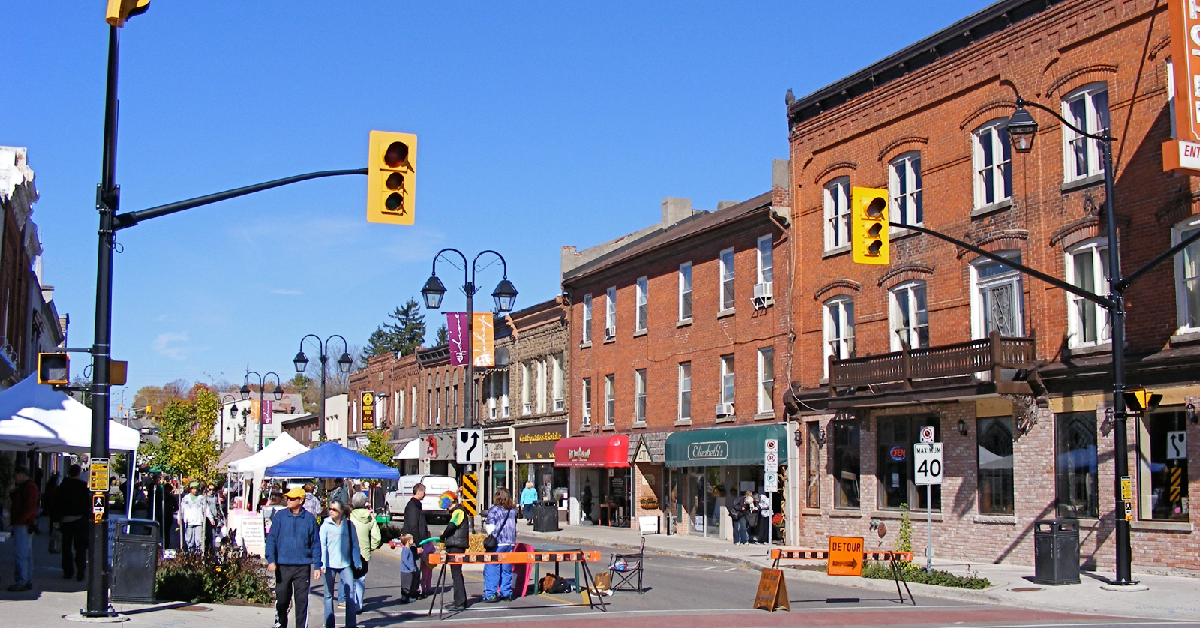
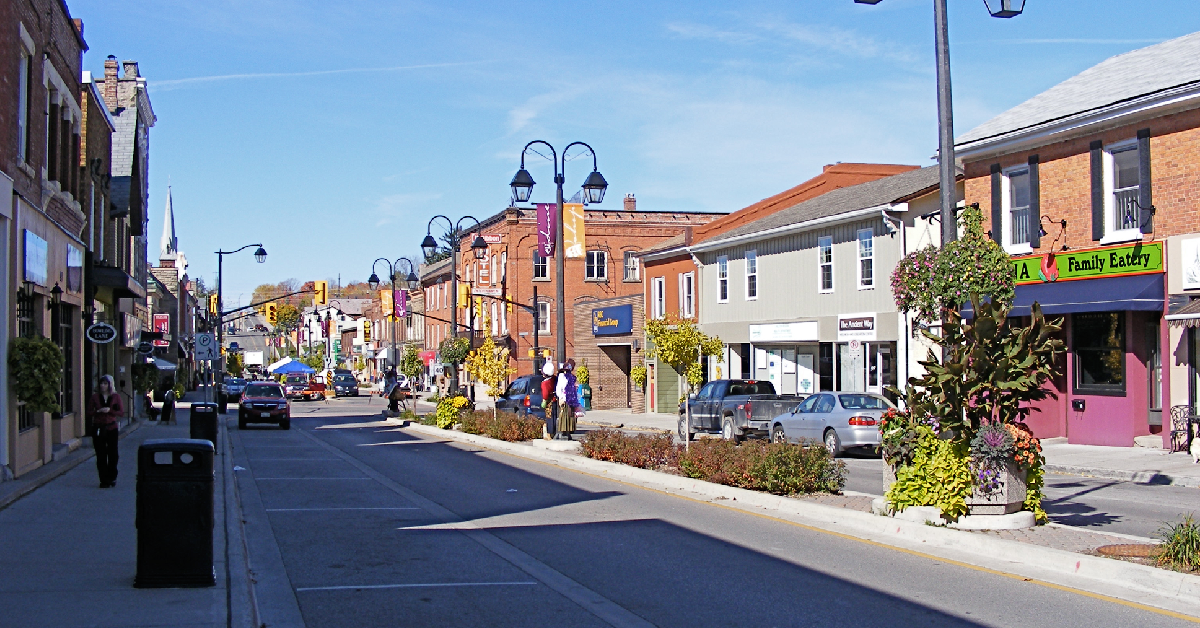
Georgetown is the largest community in Halton Hills by a wide margin, with a 2021 population of 44,058 spread across roughly 24 square kilometres. It sits on the Credit River about 45 kilometres west of downtown Toronto and 60 from Hamilton, well inside the 905. The historic downtown, centred on Main and Mill Streets, holds one of the best-preserved main strips in the western GTA and anchors the local retail and dining scene.
Georgetown holds Halton Hills’ hospital, its main library and cultural centre, the John Elliott Theatre, and the Georgetown GO Station on the Kitchener line. It’s also where most of the newer subdivision activity has landed over the past two decades, which is why it dominates the town’s active listing count month over month. Frank Leo has an existing Georgetown community profile if you want a deeper read on the town’s history and neighbourhoods.
Acton
Balcer – CC BY 2.5/Wikipedia
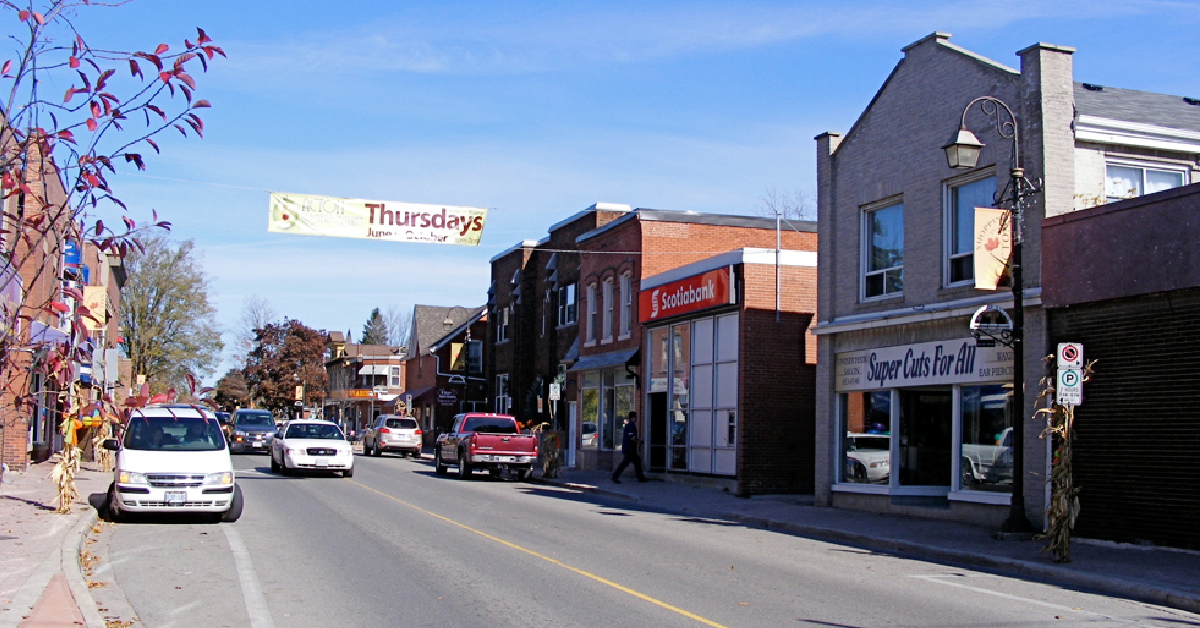
Acton sits at the northwest corner of Halton Hills, straight up Highway 7 from Georgetown, and had a 2021 population of 9,377. It was founded in 1828 and incorporated as a village in 1874 before becoming a town in 1950. From the 1840s right through to 1986, Acton was a major centre for tanning and leather goods, which is where the “Leathertown” nickname comes from.
Mill Street through downtown Acton is the historic centre, and the surrounding streets carry a lot of century homes in various states of preservation. Acton generally trades at a discount to Georgetown for the same product type, which is a big part of the appeal for first-timers who’ve been priced out of the western GTA. The commute sits a bit further from the GO line, but Highway 7 gets you to Georgetown Station in about 15 minutes.
Glen Williams
Ken Heaton – CC BY-SA 4.0/Wikipedia
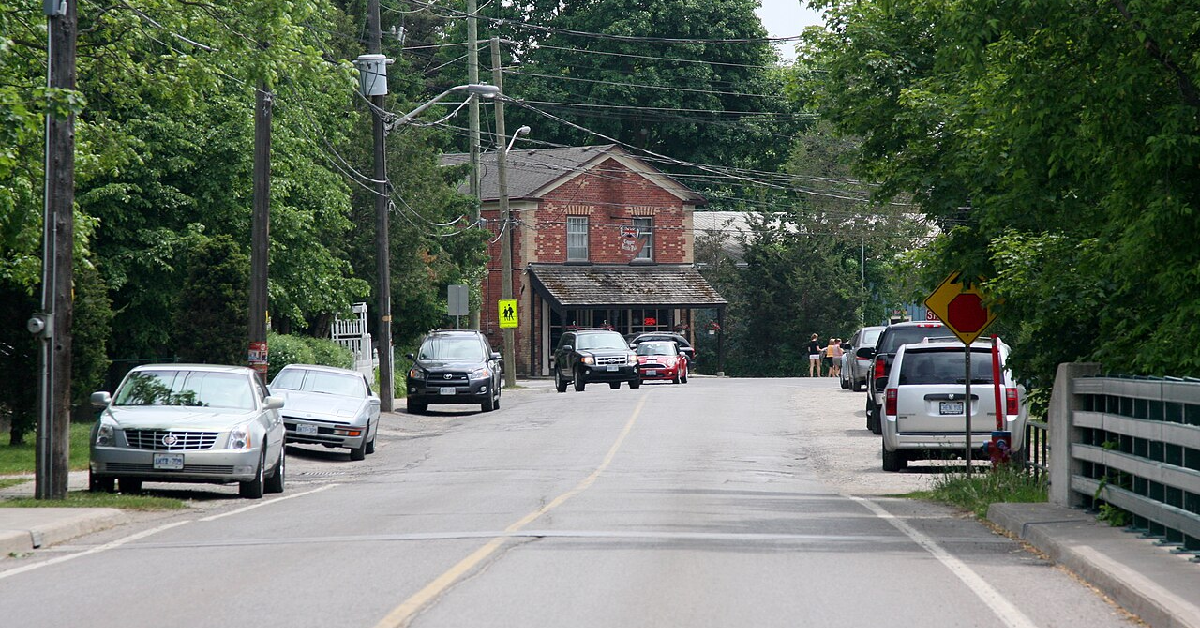
Glen Williams sits just north of Georgetown on the Credit River. It’s a heritage village of a few hundred homes, historically anchored by a woollen mill that operated from the 1840s onward and has since been repurposed into artist studios and shops. The pace here is genuinely rural and the market trades on that: Glen Williams is consistently one of the priciest neighbourhoods in Halton Hills, with average detached sold prices running north of $2M.
The Glen Williams Town Hall, the Copper Kettle Pub, and the Foundry are the community landmarks. Most of the housing stock is either heritage stone-and-clapboard or newer executive builds on larger lots, and the market rarely sees more than a handful of listings at a time. If you’re looking here, you’re looking at a small pool with long holds, and the buyer profile skews toward Toronto professionals wanting a weekend feel Monday through Friday.
Norval

Image Credit: Halton Hills News
Norval is a tiny village on the Credit River in the southeast corner of Halton Hills, right where the Credit meets the Silver Creek. It’s best known as the childhood parish of Lucy Maud Montgomery, who lived at the Norval Presbyterian manse in the late 1920s and early 1930s while her husband served as minister at Norval Presbyterian Church. That connection still draws visitors on Anne of Green Gables literary trails and gives Norval an outsized cultural footprint for its size.
The village itself is compact, a couple of streets of heritage homes clustered around Highway 7 and Winston Churchill Boulevard. It’s technically in Halton Hills but sits close enough to Brampton and Mississauga that some buyers treat it as an outer Peel commuter option. Listings are rare and the local market moves in fits and starts, so timing here matters more than in most Halton Hills pockets.
Stewarttown
Stewarttown carries a small piece of Halton Hills history that most folks miss: the newly amalgamated Town of Halton Hills’ first council was sworn in at the Stewarttown council chambers on January 3, 1974. It’s a small hamlet just southwest of Georgetown, historically tied to Esquesing Township administration and the original crossroads that predated the modern municipal boundaries.
Today Stewarttown is mostly rural residential, with a mix of older farmhouses and newer estate-style properties on larger lots. The community doesn’t have its own commercial strip, and residents shop and dine in Georgetown. Pricing here trades on lot size, acreage, and how quick the drive is to Georgetown’s GO Station, which is only a five to ten minute run north depending on which concession you’re on.
Limehouse
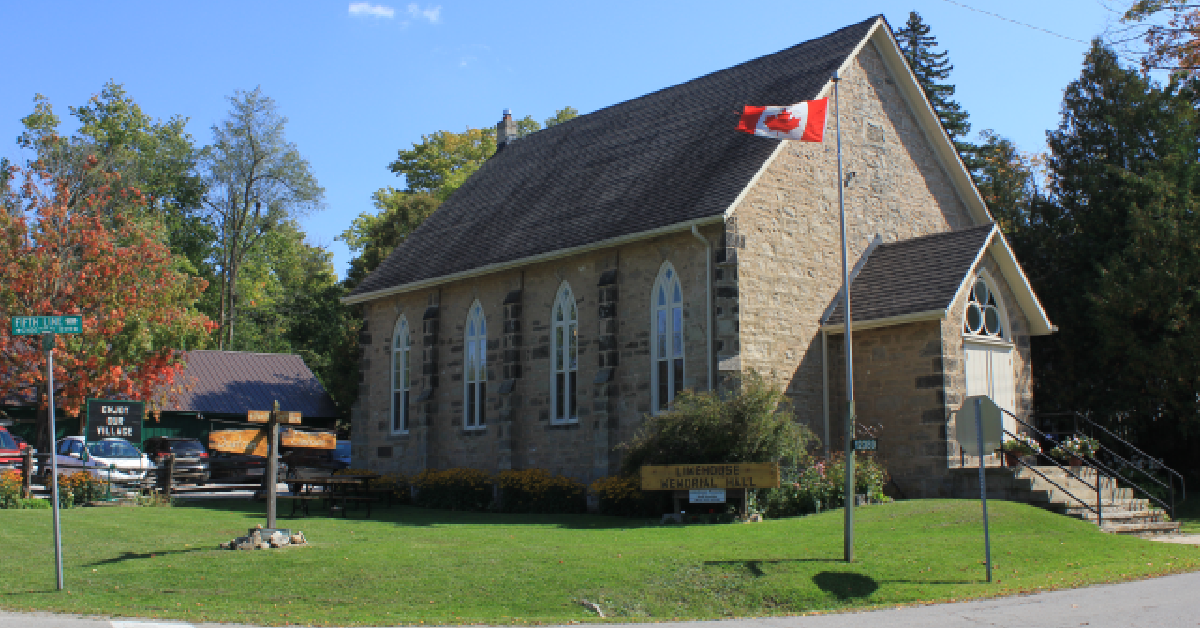
Image Credit: Laslovarga – CC BY-SA 4.0/Wikipedia
Limehouse is a small village in the north end of Halton Hills, historically named for the lime kilns that operated here through the 1800s. The Limehouse Conservation Area preserves the ruins of the kilns and draws hikers and photographers year-round, and the Bruce Trail runs right through the property. It’s one of the most photogenic hamlets in Halton Region.
The village itself is small, with a mix of heritage homes, rural properties, and newer builds along the concessions. It’s popular with buyers who want acreage but still need to be within reach of Georgetown for schools and services. Limehouse doesn’t have its own commercial core, but the natural setting and the quiet is what draws people here in the first place, and that’s exactly what sellers should be marketing.
Bruce Trail traffic and Limehouse Conservation Area foot count also give sellers here a lifestyle angle to lean into that most Halton Hills hamlets don’t get. Buyers moving in are often folks who already hike the trail on weekends, know the area first-hand, and treat the move as an upgrade to something they’ve been renting cottages for.
Terra Cotta, Ballinafad, and the Rural Hamlets
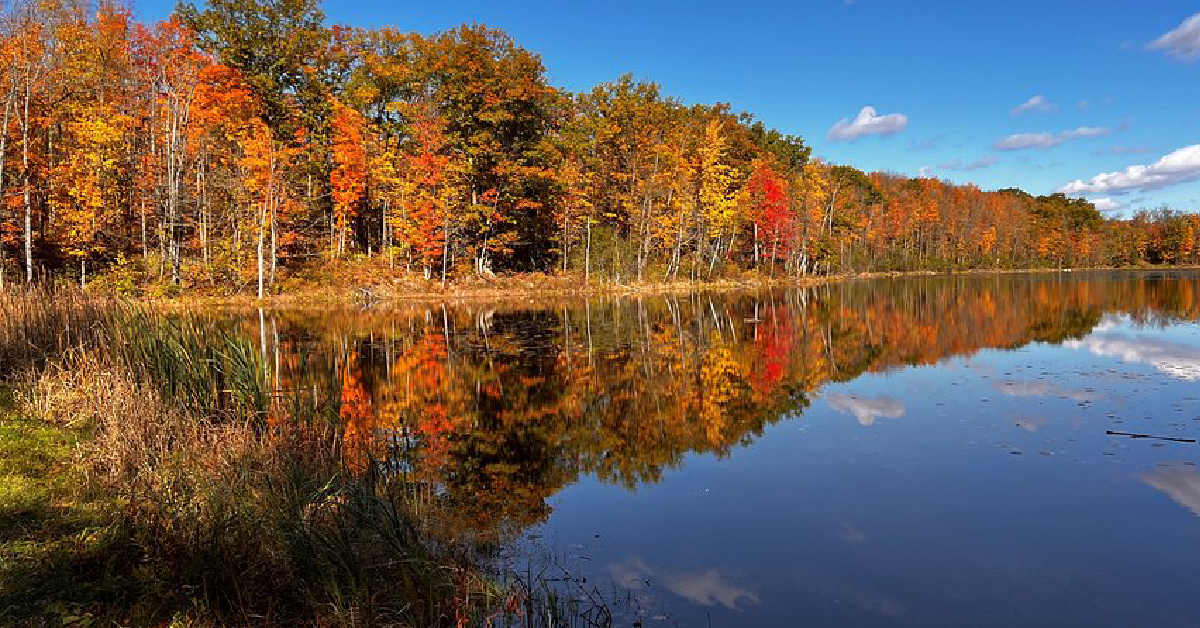
Image Credit: Tripadvisor
Terra Cotta sits at the western edge of Halton Hills, near the Wellington County border, and is one of the more recognizable hamlets thanks to the Terra Cotta Conservation Area and the historic Terra Cotta Inn. It’s a tight cluster of heritage homes surrounded by rolling farmland and escarpment views, and it’s one of the go-to weekend drives out of Toronto in fall colour season.
Ballinafad, on the northwest edge, and Ashgrove, west of Georgetown, are smaller still, generally a few dozen homes around a historic crossroads. Silver Creek and a few other rural pockets round out the rural residential inventory. These hamlets rarely see multiple listings at once, and pricing is highly individual: a good lot with an updated home in Terra Cotta can trade well into the millions, while a fixer on a smaller lot might list in the six or seven hundreds.
Halton Hills Real Estate Market
Balcer – CC BY 2.5/Wikipedia
The Halton Hills market as a whole averaged around $1.02 million across all home types in April 2026 based on Toronto Regional Real Estate Board (TRREB) data tracked via Independent Free Press with 152 new listings hitting the market over a recent 28-day window and DOM sitting at 17 days at the median. Georgetown pulls the overall average up: Georgetown-specific numbers have averaged closer to $950,000 to $1.04M depending on the reporting period and the mix of homes sold. Acton typically trades below the town-wide average, and Glen Williams pulls hard the other direction with detached averages north of $2M.
Detached houses dominate the market, but there’s a growing base of freehold townhomes and semis in Georgetown’s newer subdivisions. Rural properties, hobby farms, and estate builds in the hamlets are their own separate submarket entirely, with pricing that varies as much on the septic and well condition as on the house itself. Anyone selling here needs a Realtor who understands the pricing differences between neighbourhoods and product types, because a blanket “Halton Hills average” tells you almost nothing about what your specific home is worth. Pulling the right comps is the whole ballgame.
Commuting from Halton Hills to Toronto
The Kitchener line of GO Transit runs through Georgetown GO Station, with weekday morning trains reaching Union Station in roughly 60 to 70 minutes depending on the express or all-stops service. That direct train is a big draw for buyers who work in the financial core but want small-town living and a bigger yard for the money. Off-peak service is thinner than on the Lakeshore lines, so anyone commuting at odd hours needs to check the schedule before committing.
The 401 sits along the southern edge of Halton Hills, and the 407 ETR is a short jump south, so drivers heading into Mississauga, Etobicoke, or downtown Toronto have decent options. Peak-hour drive times into downtown Toronto typically run 60 to 90 minutes and blow out past that when the weather turns. Highway 7 through Georgetown and Acton and Trafalgar Road through the eastern hamlets are the main north-south connectors internally.
Choosing the Right Real Estate Agent for Halton Hills
The Halton Hills market has more moving parts than most GTA buyers expect going in. Georgetown pricing differs sharply from Acton, and both are worlds apart from Glen Williams or Terra Cotta rural acreage. Newer subdivision pricing in Georgetown South follows different rules than the century-home resale market in Old Georgetown. Not every Toronto-based agent works this area regularly enough to know the difference between Delrex and Moore Park, or between a Norval heritage home and a Stewarttown estate lot.
When you’re picking a Realtor for Halton Hills, prioritize local experience over general GTA coverage. Ask specifically:
– How many properties have you sold in Halton Hills in the last 12 months?
– Have you worked Georgetown, Acton, and at least one rural hamlet?
– Can you walk me through the pricing differences between Delrex, Moore Park, and Old Georgetown?
– Do you understand septic, well, and rural zoning for the hamlet market?
A great agent knows which streets in Georgetown back onto the Credit River, which subdivisions still carry ongoing development charges, and which rural properties have a drilled well versus a dug well. That kind of local knowledge is worth more than a big brokerage logo every time.
Buying or Selling a Home in Halton Hills?
Frank Leo & Associates has been working the GTA and surrounding communities for over 30 years, with a long history serving buyers and sellers across Halton Region including Halton Hills. You can read our Georgetown community profile for more background on the town’s biggest community, or work through the complete Toronto and GTA home buyer’s guide before you start your search.
Ready to make a move on Halton Hills? Contact our team to talk through your search, or get a free home evaluation if you’re thinking about selling. Whether you’re looking at a Georgetown detached, an Acton starter, a Glen Williams estate, or a rural building in Terra Cotta, we’ll help you find the right fit.